

Single Hotel or Split Stay: Structuring Your Mauritius Holiday
One hotel or two? A guide for UK travellers on split stays across Mauritius, which pairings work, and how to structure ten to fourteen nights.
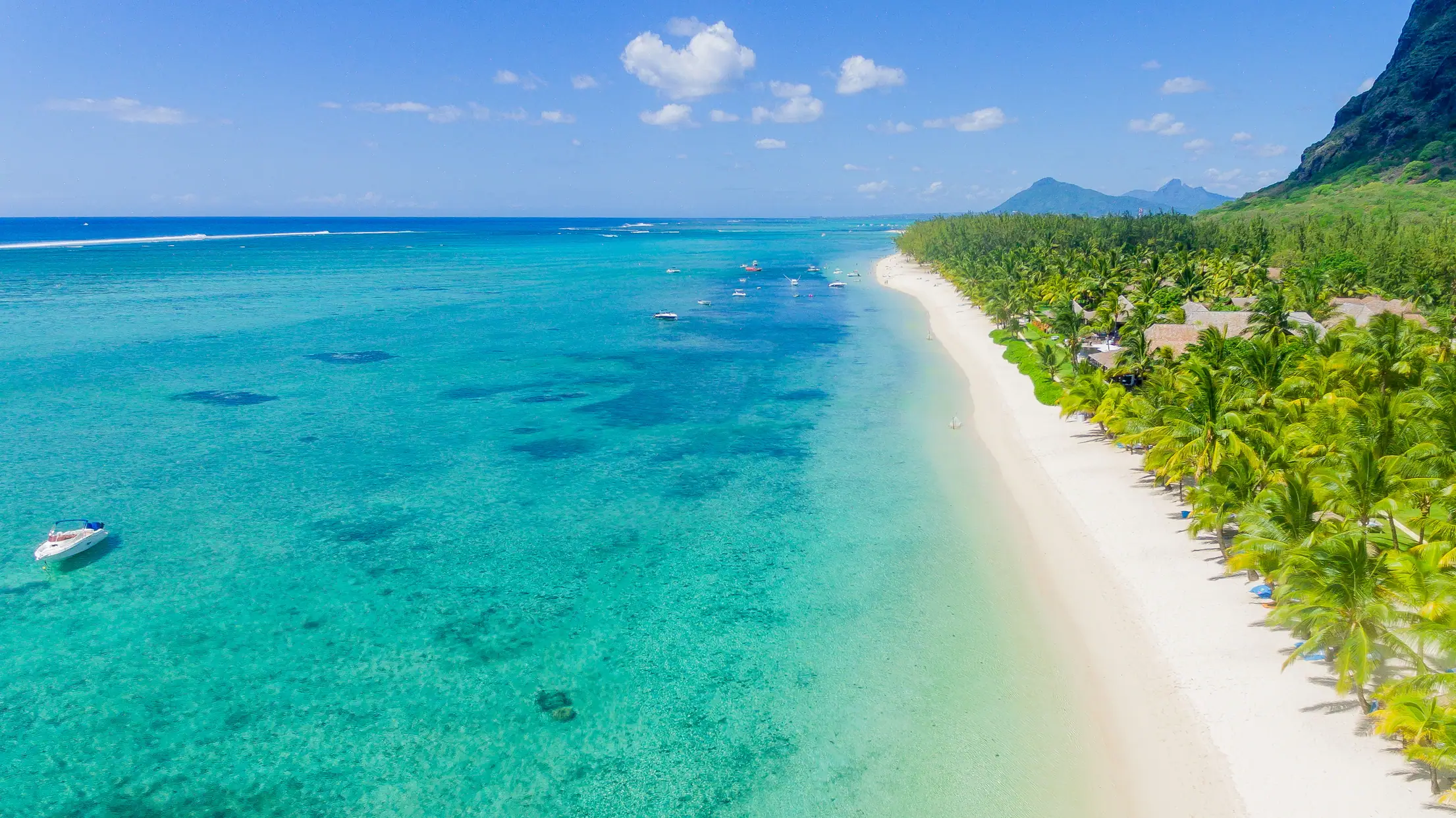
Mauritius is a small island with four coastlines that are geographically, experientially and practically distinct. The east coast is built around long lagoon beaches and established resort addresses. The west coast is sheltered and quiet. The north coast is social and consistently sunny. The south coast is dramatic and nature driven.
The honest answer is that it depends on when you are travelling and what kind of stay you want. For some visitors the north is the easiest all round choice. For others the west answers it, especially between June and September. The east rewards the right timing, and the south suits travellers who want landscape and culture in the same week as the sea.
This guide sets out what each coast is good for and who it suits, so you can choose with much more clarity.
If you are visiting Mauritius for the first time, the north coast is the straightforward choice. It is reliable across the year, offers plenty of activity options, and suits families and couples who want comfort, access and flexibility.
If you are travelling between June and September and want calm water and warm afternoons on the sand, the west coast is the one to ask us about.
If you are travelling between roughly October and May and want a polished resort stay with long lagoon beaches, the east coast delivers exactly that.
If your priorities are scenery, walking, culture and a strong sense of place, the south is where we would put you.
| Coast | Who we put here | When | What we would book |
|---|---|---|---|
| North | First trips to the island, families with young children, and couples who want things happening within walking distance | Every month of the year | Grand Baie as the base, the northern islets by catamaran as a full day, and the kayak run to Amber Island through the mangrove channels |
| West | Travellers who want flat water and long afternoons, and anyone who wants whales in the same trip | July to October | A private speedboat morning in whale season, then Benitiers Island by catamaran and an afternoon on the reef |
| East | Honeymoons and families who want a polished resort and a long lagoon beach in front of it | October to May | Île aux Cerfs by catamaran, and Blue Bay Marine Park by glass bottom boat as a full day out |
| South | Walkers, photographers, and returning visitors who have already had the beach | May to October | The Ebony Forest Reserve guided hike, Le Morne Brabant with a guide, and the Seven Cascades walk at Tamarind Falls |
The east coast is what most people picture when they think of Mauritius: pale sand, casuarina trees, shallow reef-protected lagoons, and the island's most prestigious resort addresses.
Between October and May the lagoon is at its calmest and the sand holds the heat into the evening, which is the window this coast is built for. Between June and September the same coast is at its best for time on the water, so we plan those weeks around the excursions and the resort itself.
The east coast suits honeymoon couples and families visiting between October and May. It suits repeat visitors who have a particular attachment to a specific property, and those for whom a well-established resort infrastructure is reassuring rather than limiting. For a first visit between June and September, ask us before you commit to this coast; we will tell you plainly whether it fits the week you have in mind.
What to do here: Catamaran excursions to Île aux Cerfs, snorkelling at reef sites when the lagoon is flat, Blue Bay Marine Park by glass-bottom boat (south-east of the island, accessible as a full day trip).
When to visit: October to May for beach-focused travel. June to September when time on the water leads the week.
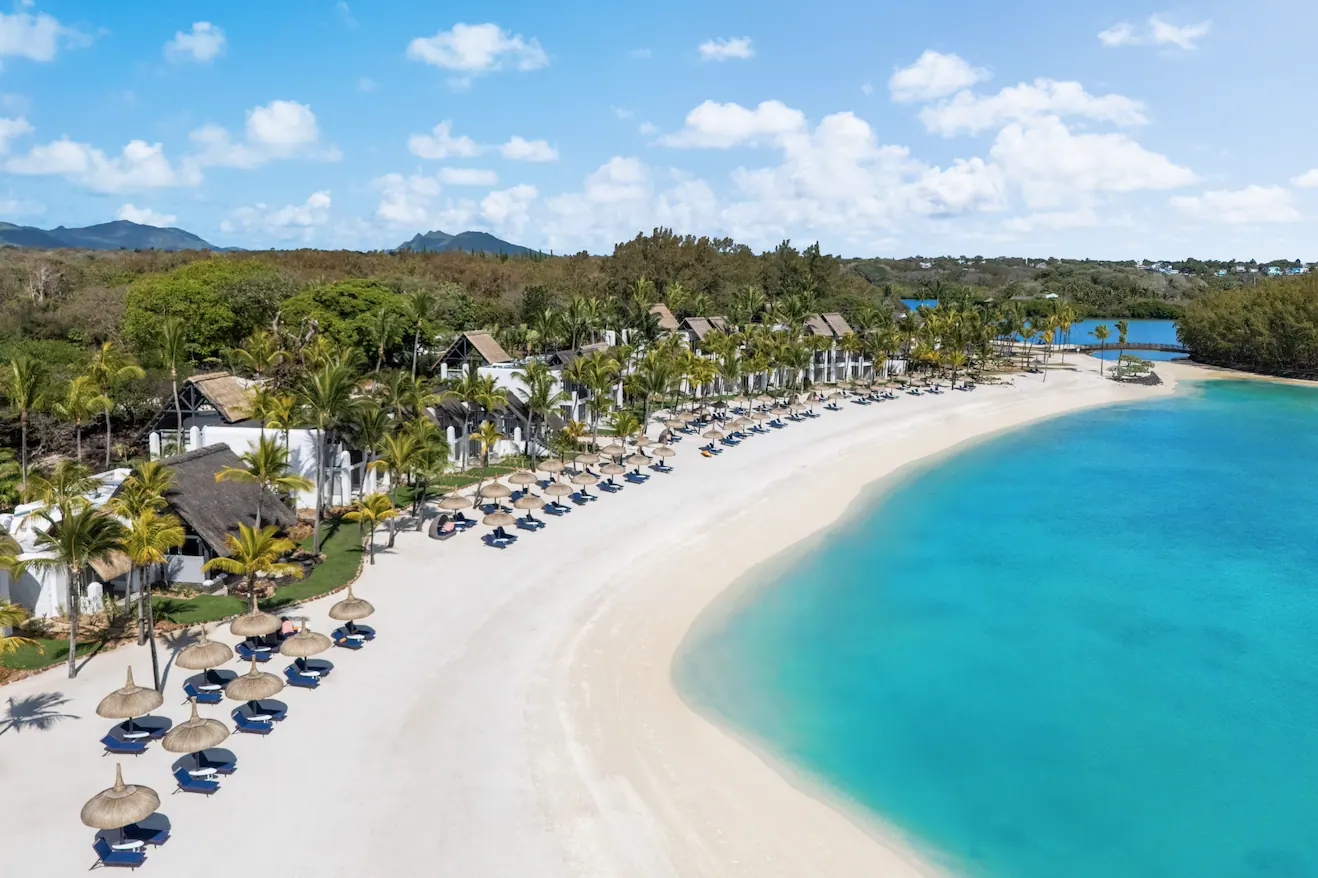
The west coast of Mauritius runs from Pointe aux Sables south through Flic en Flac and Tamarin to the Black River area. The island's central mountains stand between this coast and the south east trade winds, so between June and September the water stays flat and the afternoons stay warm. The beaches are quiet, and the late afternoon light is long, direct and low on the horizon.
From around June to October, humpback whales pass through Mauritian waters, with sightings most commonly associated with the west and south west coast. Boat excursions in season can offer the chance to observe them in open water, making whale watching one of the west coast's most distinctive seasonal experiences.
What to do here: Whale watching by private speedboat (July to October), catamaran excursion to Benitiers Island, reef snorkelling in the lagoon, Casela Nature Parks and wildlife experiences.
When to visit: June to September for warm, calm conditions and whale season. April, May, October and November for quiet beaches.

The north coast is one of the sunniest parts of Mauritius, including through the winter months. The island's central mountain range stands between the north and the south-east trade winds, which is why it holds its weather through every month of the year. Grand Baie is the centre of north coast activity: a coastal town with white-sand beaches, catamaran departure points, dive centres, restaurants, and a functioning local character alongside the tourism economy.
This is where we put families with young children. The reef-protected lagoons are shallow and safe, the resorts offer structured children's programming, and the northern islets catamaran day trip is designed with families in mind. July and August, which align with UK school summer holidays, bring a concentration of multi-generational family groups and an animated atmosphere to go with them.
The north coast works just as well for younger couples who want energy and easy access, and for first-time visitors who want the activity options laid out for them.
What to do here: Northern islets catamaran excursion (full day, snorkelling, on board barbecue), kayaking to Amber Island through mangrove channels (half day), Pamplemousses Botanical Garden and a wider north coast day tour, evening dinner cruise aboard Lady Lisbeth.
When to visit: Year-round. July to August for families aligning with school holidays. October to May for quiet conditions and warm sea temperatures.

The south coast is where the island turns into landscape: geology, forest and history. Chamarel and the Ebony Forest Reserve sit inland from the coast, offering endemic birdlife, native woodland, and the Sublime Point viewpoint across the south-western peninsula. Le Morne Brabant, a UNESCO World Heritage Site with a specific and significant history, rises from the coastline. The Tamarind Falls valley offers seven cascades, river crossings, and endemic forest in a single walk. Blue Bay Marine Park, on the south-east corner, holds the island's most intact coral reef system.
Between May and October the south is at its best on foot. Temperatures between 25°C and 26°C, lower humidity, and clear mornings create the conditions for the Ebony Forest hike, the Le Morne Brabant guided walk, or a full-day circuit through the Chamarel area. This is the coast for walking, for the interior, and for understanding how the island was put together.
What to do here: Ebony Forest Reserve guided hike, Le Morne Brabant guided hike at this UNESCO World Heritage landscape, Tamarind Falls Seven Cascades walk, bird watching in Black River Gorges, Vallée des Couleurs Nature Park, tea and rum estate visits, candlelit beach dinners.
When to visit: May to October for hiking and landscape exploration. Year-round for cultural and botanical visits.

The question most UK travellers arrive with is "which side of Mauritius is best?" The more useful version is "which coast suits my travel dates and what I want from this trip?"
Honeymoon couples: the south coast between May and October, for landscape, quiet, and the properties that sit inside it. The west coast between July and October if you want whale season in the same trip. Tell us which of those two matters more to you and we will place you.
Families with children: the north coast in July and August, for family-oriented activities, shallow lagoons, and the full social energy of a family-focused destination. For quiet family travel, the north coast between October and May performs just as well.
Nature lovers and photographers: the south coast between May and October, when hiking season and landscape conditions align. Walking boots earn their place in the suitcase for this part of the island.
First-time visitors: the north coast, for activity options that are easy to plan and sunshine you can count on through the year. The east coast also answers this well for October to May arrivals who want a prestigious resort as their base.
Repeat visitors: the south coast, which tends to surprise people who believe they already know the island.
Quiet travel: the west coast in April, May, October and November, or the south coast at any time of year.
If your visit spans two weeks or more, a two-coast itinerary is practical and often preferable. Transfers between coasts take between 45 minutes and an hour and a half.
Mauritius runs on two broad periods, and the one you travel in is what shapes where we put you.
October through May is the easiest window for east coast travel, with warm sea and settled lagoons. December through March is the hottest and most humid part of the year, and it is also the island's cyclone season. We say so plainly, because it belongs in a planning decision.
June through September is when the south east trade winds arrive, and each coast answers that differently. The west coast is at its best between July and October, when whale season overlaps with flat water and warm afternoons. The north holds its sunshine through every month of the year. The south is at its best on foot between May and October. The east coast comes into its own between October and May, when the lagoon is calmest and the sand holds the heat.
If you are weighing which part of Mauritius to visit, start with three things: your travel dates, the style of stay you want, and whether you prefer one base or two. Those three things are what we match a coast to.
To discuss your plans, contact Island Lilly directly. A brief conversation is usually enough to identify where on the island your trip should be based. Contact Island Lilly Here
Notes from the island, written for the trip you are already planning.
One hotel or two? A guide for UK travellers on split stays across Mauritius, which pairings work, and how to structure ten to fourteen nights.

Ganesh Chaturthi runs for ten days from late August, with processions, clay idols and immersions at Flic-en-Flac and Grand Bassin. Worth timing a trip around.