

Which side of Mauritius is Best? A Complete guide to all four Coasts
Most visitors to Mauritius pick their hotel first and only later discover which coast they’re actually on. In our experience, it’s worth reversing that order.

For UK travellers planning Mauritius, one structural decision shapes the entire stay: remain in one carefully chosen hotel, or divide the time between two regions of the island.
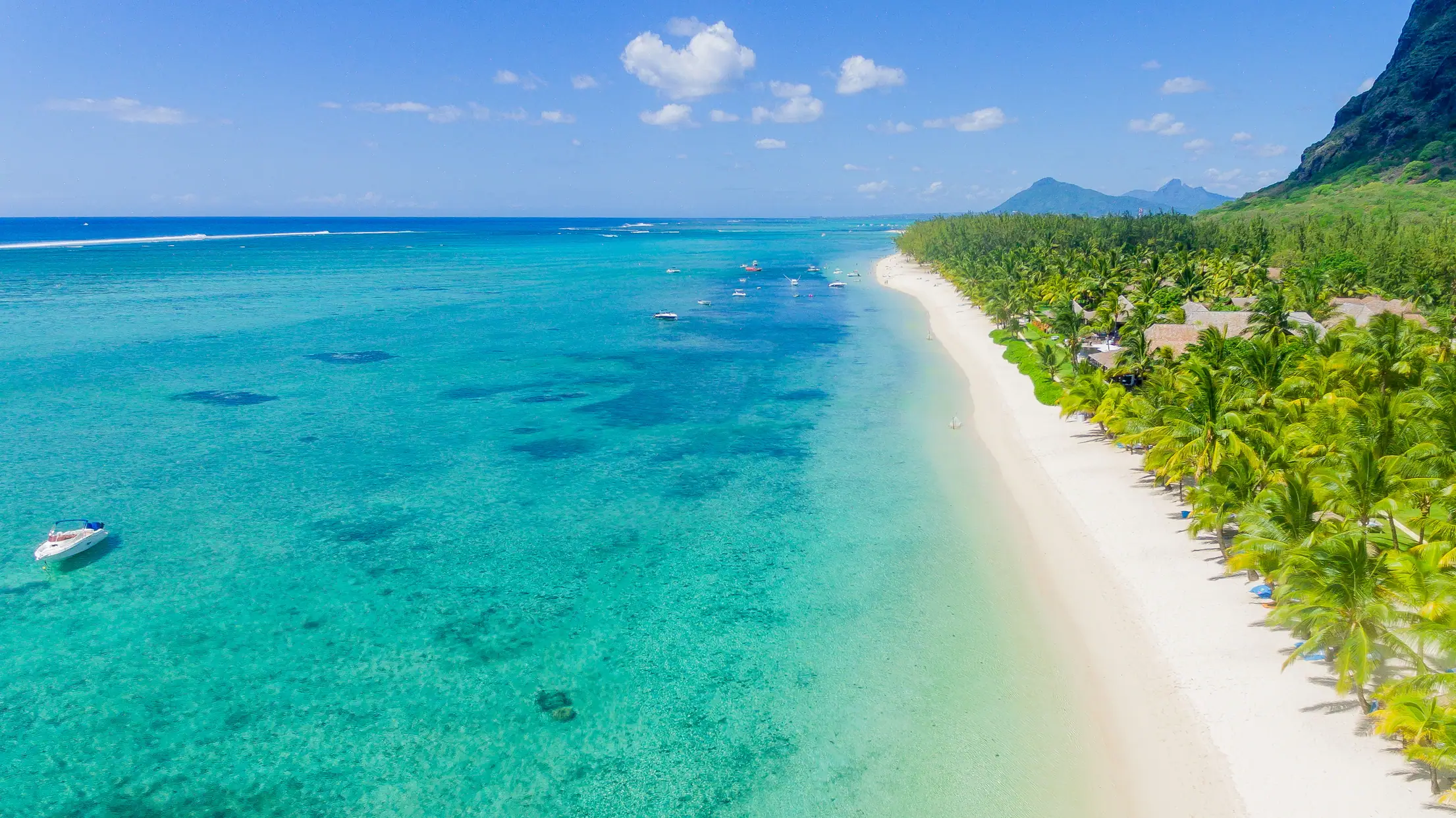
Mauritius may appear compact on a map, yet each coastline has its own character. In the north, mornings open onto sheltered lagoons and easy swimming, particularly around Grand Baie and the northern islets. The west stretches beneath the outline of Le Morne Brabant, where the beaches are wide and the sunsets are long. The south is quiet, edged by nature reserves and plantation estates, with a rocky shoreline.
Driving times between these regions are short. Even so, an hour each way, repeated across a week, turns into a pattern, and the days begin to feel like transit. So the question is one of structure.
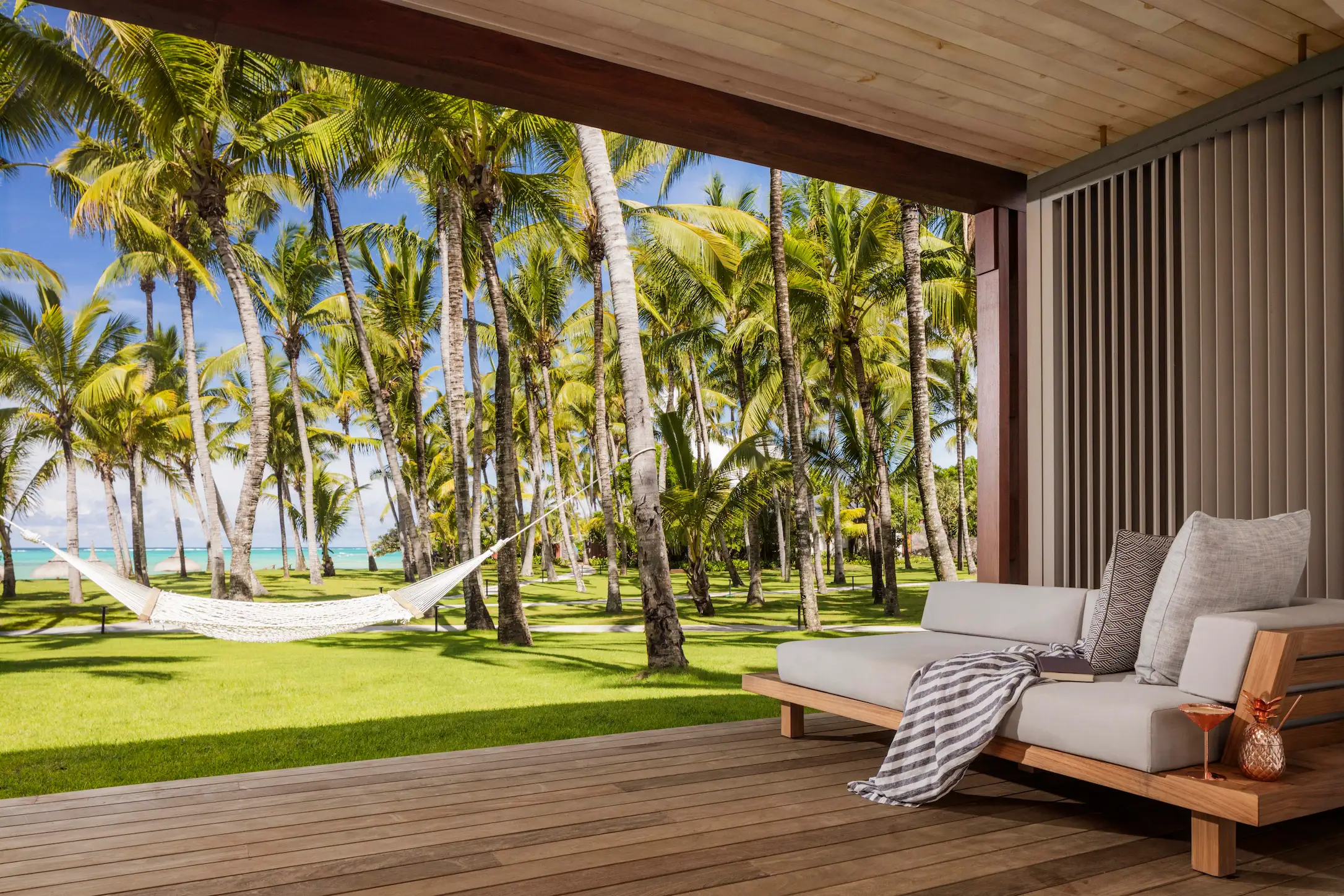
A single hotel offers continuity. Arrival is followed by settling in, and the environment stays constant throughout the holiday.
For stays of five to seven nights, this is often entirely appropriate. Guests become familiar with the beach, the restaurant terrace, the staff who recognise them by the second evening. One unpacking, one set of surroundings, and the same water each morning. The focus stays on rest, swimming, dining and light excursions.
For travellers whose priority is complete relaxation within one refined setting, this approach works well. It suits shorter breaks and travellers who want one place to settle into.
What a single base gives you is depth in one place. Grand Baie, for example, becomes familiar: the dining, the lagoon access, the walk you take before breakfast. A second region is a separate decision, and the section below is about when it earns its place.

A split stay introduces contrast at an easy pace.
Time is divided between two areas chosen for how they complement one another. A common pairing begins in the north, where sheltered waters allow sailing and easy beach days, before moving west for wider horizons and warm winter swimming. Between June and September the island's central mountains stand between the west coast and the trade winds, so its lagoons stay flat.
Transfers are straightforward when they are handled for you. The journey from the north to the west is generally around an hour. Reaching the southern estates takes closer to ninety minutes. Managed privately and positioned mid-stay, this movement feels purposeful.
The benefit lies in lived contrast. Even a ten-night stay divided into five nights north and five nights west changes the tone of the holiday. The first half may include island excursions and waterfront dining; the second may settle into slower mornings, mountain backdrops and heritage visits. The shift creates a natural reset.
For journeys of ten to fourteen nights, this structure gives each region several days of its own, experienced on its own terms.

For UK travellers undertaking a long-haul journey, the duration usually justifies a broader experience.
A seven-plus-five distribution can work particularly well. Seven nights in one region allows full acclimatisation after arrival from the UK, followed by five nights in a second setting that refreshes the final chapter of the stay. A balanced five-plus-five division gives equal time to two coastlines.
Each segment works best lightly scheduled. A relocation day should sit between two slower mornings, and activities should cluster around the region you are staying in.
Structured well, a split stay feels complete.
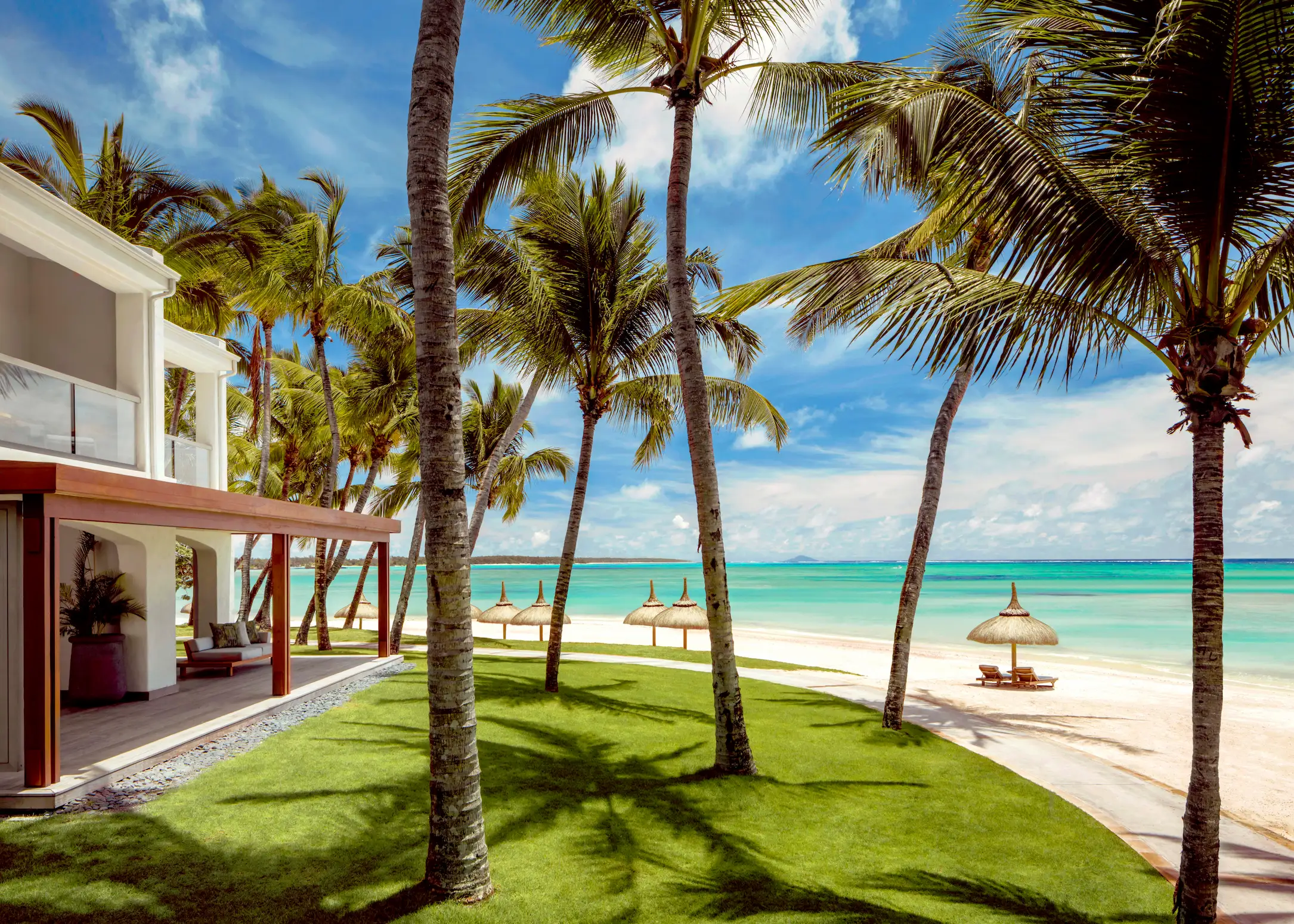
There are occasions when one hotel is the wiser choice, and we will say so.
For stays of five nights or fewer, one base keeps the whole week in one place. Families with very young children often prefer the predictability of one environment. Travellers who want a single resort and a quiet week are well served by staying put.
A split stay rewards travellers who have the time to settle into each place properly. Ten nights is where it begins to earn its keep.
The choice reflects priorities. A single hotel offers ease and continuity. It suits shorter stays and travellers seeking uncomplicated rest.
For UK travellers spending more than a week on the island, we usually suggest two settings. The island's character shifts from coast to coast, and two of those settings, given several days each, is what we would build.
The aim is to give each setting space to breathe.
Paired intelligently, a split stay aligns with the island's geography and the realities of long-haul travel. Ask us which two coasts suit your dates, and we will structure it around them.
Notes from the island, written for the trip you are already planning.
Most visitors to Mauritius pick their hotel first and only later discover which coast they’re actually on. In our experience, it’s worth reversing that order.

Ganesh Chaturthi runs for ten days from late August, with processions, clay idols and immersions at Flic-en-Flac and Grand Bassin. Worth timing a trip around.